


Robot Advisor
Loyalty, good faith, ethics, transparency, and the absence of conflicts of interest: "Robo-advisors."
The Brazilian Securities and Exchange Commission (CVM) regulates robo-advisors in Brazil through CVM Resolutions No. 19/2021 and No. 21/2021. These resolutions establish the same rules for securities advisors and securities portfolio managers, applying them to robo-advisors as well.
The CVM’s regulations for robo-advisors address the following aspects:
- Registration: The CVM requires robo-advisors to register as securities consultants or portfolio managers, just as human professionals must. This requirement allows the CVM to verify that the robo-advisor complies with market rules and regulations.
- Source Code Disclosure: Robo-advisors must make their source code available to the CVM. This allows the CVM to analyze the software and verify that it is operating fairly, transparently, and in compliance with market rules.
- Practical differences between humans and software: Critics argue that there are significant differences between how humans and software operate in the financial market, and that regulations should take these differences into account. For example, while the CVM may require a human advisor to demonstrate their experience and knowledge, this does not apply to software.
Types of Robo-Advisors and Their Differences
Robo-advisors are primarily categorized by their level of sophistication and the tasks they perform. In addition to the traditional distinction between robo-advisors and robo-traders, they are also classified as Robo-Advisor 1.0, 2.0, 3.0, and 4.0.
– Robo-Advisor vs. Robo-Trader:
- Robo-Advisor:
The main focus is *to assist with long-term investment management*. They build and monitor investment portfolios, typically composed of ETFs (Exchange-Traded Funds) and other fixed- and variable-income assets, based on the investor’s risk profile and goals.
Examples: Alkanza (Rico), Vérios, and Magnetis. - Robo-Trader: Aimed at more experienced investors seeking to automate short-term stock market trades, such as day trading. They use algorithms to identify opportunities and execute orders automatically, based on predefined strategies.
– Robo-Advisor 1.0, 2.0, 3.0, and 4.0:
Sources describe a classification of robo-advisors into four stages of evolution, based on the complexity of the tasks they perform:
- Robo-Advisor 1.0: Functionality is basic; it gathers information from the investor via an online questionnaire and provides investment suggestions based on the investor’s risk profile.
- Robo-Advisor 2.0: In addition to the functions of 1.0, it offers specific investment options tailored to the investor’s profile, allowing for greater portfolio customization.
- Robo-Advisor 3.0:
Adds the functionality of automatic portfolio execution and rebalancing. The robo-advisor automatically invests the investor’s funds according to the defined strategy, buying and selling assets to keep the portfolio balanced and aligned with the investor’s goals.
Example: Robo-Advisor Y offers automatic investment functionality via direct debit from the investor’s account. - Robo-Advisor 4.0: Represents the most advanced stage, using artificial intelligence and machine learning to automate tasks and learn from market data. These Robo-Advisors can adapt to market changes more efficiently and offer more sophisticated investment recommendations.
– Important:
- The classification into Robo-Advisor 1.0, 2.0, 3.0, and 4.0 is not official or universally used. It is merely a way to categorize robo-advisors based on their complexity and the features they offer
- Most robo-advisors in Brazil fall into stages 1.0, 2.0, and 3.0, with more basic features geared toward managing traditional investment portfolios.
- Global Miner AI proposes an innovative application of robo-advisors in the mining assets market.
- It is always recommended to check the most recent information on the websites of financial institutions.
– Distinguishing Between Prospector and Advisor Robots at Global Miner AI.
Global Miner AI is a startup that aims to revolutionize the market for buying and selling mining assets, such as mineral deposits and mining companies, through artificial intelligence. To this end, the platform will use two types of robots: the Prospector Robot and the Advisor Robot. Although both are AI-based and work together, their functions and objectives are distinct.
– Prospector Bot: The Opportunity Hunter
- Main Function: To prospect for and identify mining assets with sales potential—such as mineral deposits and operating mines—throughout Brazil.
Methodology:
- Data Collection: The bot accesses public databases, industry news, and other information sources to identify mineral deposits and their respective owners.
- Data Analysis: It uses algorithms to analyze the potential of the assets, considering factors such as location, type of mineral, licensing stage, and other relevant indicators.
- Contacting Owners: It automatically contacts asset owners via WhatsApp or phone to gauge their interest in selling.
- Objective: To create a pipeline of mining assets with sales potential for the Global Miner AI platform.
– Robo-Advisor: The Strategic Advisor
- Primary Function: Assist investors in decision-making by providing relevant information about the mining assets available on the platform.
Methodology:
- Data Integration: The bot integrates data from various public and private platforms—such as P3M, ANM, SGB, and SIGMINE—to provide a comprehensive view of the Brazilian mining market.
- Data Analysis:
It uses algorithms to analyze the collected data, assessing the potential of the assets and the risks involved in each investment.
Investment Recommendations: Based on the data analysis, - the robot provides personalized investment recommendations to platform users, taking into account their goals and risk profile.
- Objective: To facilitate investors’ decision-making by providing relevant and personalized information about mining investment opportunities.
– Key Differences:
- Focus: The Prospector Bot focuses on *sourcing assets* for the platform, while the Advisor Bot concentrates on assisting investors.
- Activity: The Prospector Bot is more *active in prospecting and contacting asset owners, while the Advisor Bot takes on a more analytical and advisory role.
- Interaction: The Prospector Robot interacts directly with asset owners, while the Advisor Robot communicates with the platform’s investors.
– Working Together:
Despite their differences, the Prospector Bot and the Advisor Bot work in synergy on the Global Miner AI platform. The Prospector Bot feeds the platform with a constant stream of new mining assets, while the Advisor Bot helps investors find the best investment opportunities among the available options. Together, they aim to make the process of buying and selling mining assets more efficient, transparent, and accessible
Trading with Robo-Advisor 4.0:
Global Miner AI does not operate as a traditional CVM-regulated Robo-Advisor. The platform focuses on brokering physical assets (mineral deposits and mining companies), unlike Robo-Advisors that manage investment portfolios consisting of stocks and other securities.
The absence of CVM regulation is justified by this fundamental difference in operations. The use of a Robo-Advisor 4.0 involves significant automation of the brokerage process, from lead generation to the completion of the transaction, without relying heavily on human intervention. The platform benefits from the efficiency of AI in processing large volumes of data and optimizing communication between the parties.
CVM Regulation:
CVM regulations for Robo-Advisors dealing in securities focus on the need for registration and transparency to protect investors. Since Global Miner AI does not trade stocks or other financial instruments, it falls outside the CVM’s regulatory scope. However, other regulations pertaining to the mining sector and commercial transactions may apply.
Global Miner AI is a startup that aims to revolutionize the market for buying and selling mining assets, such as mineral deposits and mining companies, through artificial intelligence. To this end, the platform will use two types of robots: the Prospector Robot and the Advisor Robot. Although both are AI-based and work together, their functions and objectives are distinct.
The Secretariat of Geology, Mining, and Mineral Processing (SGM) of the Ministry of Mines and Energy (MME) and the National Mining Agency (ANM, P3M ANM, SGB, and SIGMINE) provide a comprehensive view of the Brazilian mining market.
- Data Analysis: It uses algorithms to analyze the collected data, assessing the potential of assets and the risks involved in each investment.
- Investment Recommendations: Based on the data analysis, the bot provides personalized investment recommendations to platform users, taking into account their goals and risk profile.
- Objective: To facilitate investors’ decision-making by providing relevant and personalized information about mining investment opportunities.
The Robo-Advisor Market in 2027
The global robo-advisor market is estimated to reach *$6.2 trillion* by 2027. This projection takes into account the sector’s rapid growth, driven by the rising popularity of digital investment platforms.
Global Market Analysis:
- In 2020, the global robo-advisor market was estimated at US$ 2.6 trillion.
- The growth projection for 2027 points to a market of US$ 6.2 trillion, representing a considerable increase.
Highlights of the U.S. Market:
- The United States, as the world’s largest economy, has a highly significant robo-advisor market.
- The estimate for 2020 was $757 billion.
- Projections indicate that the figure could reach US$ 1.1 trillion by 2025.
Examples of Robo-Prospector Applications
- Example 1: The bot identifies a lithium exploration project in Minas Gerais via the ANM and, using its database, finds the contact information for the CEO of the company responsible. It then sends an automated message introducing Global Miner AI as a platform to assist in selling the project.
- Example 2: The robot collects news from the Brasil Mineral website about a nickel mining project in Pará. Using the company’s name, it finds its registration details and contact information via its own database. The robot then reaches out, offering its services to assist in the sale of the asset.
- Example 3: The bot uses P3M to prospect data on a gold project in Goiás, discovering the name and contact information of the mining rights holder in the Global Miner AI database. The bot then initiates contact, introducing the company and its asset brokerage service.
- Example 4: By cross-referencing ANM data with its own database, the bot identifies a company with a large number of unexploited mining rights in the state of Amazonas. It contacts the company, offering Global Miner AI’s services to assist in the sale of the mining rights.
- Example 5: The bot identifies information about rare earth exploration projects in other countries, using data from international organizations as a source. Based on the location and type of mineral, it searches its lead database for Brazilian companies that might be interested in participating in the exploration.
Important: These are hypothetical examples of how the bot could operate
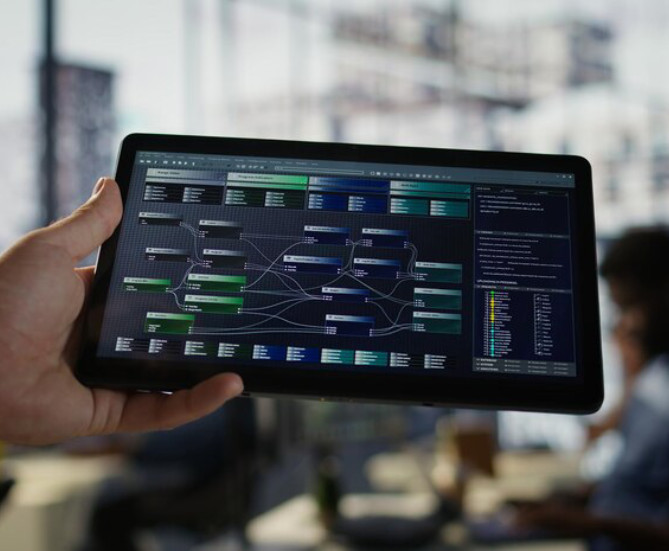
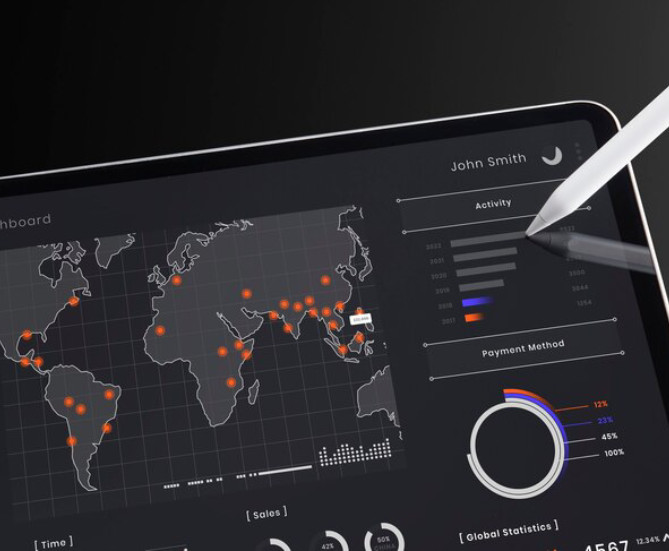
Images of the technology for reference

Contact us and be part of the revolution in the Brazilian mining industry
Fill out the form to receive more information from one of our representatives.